What matcha really is
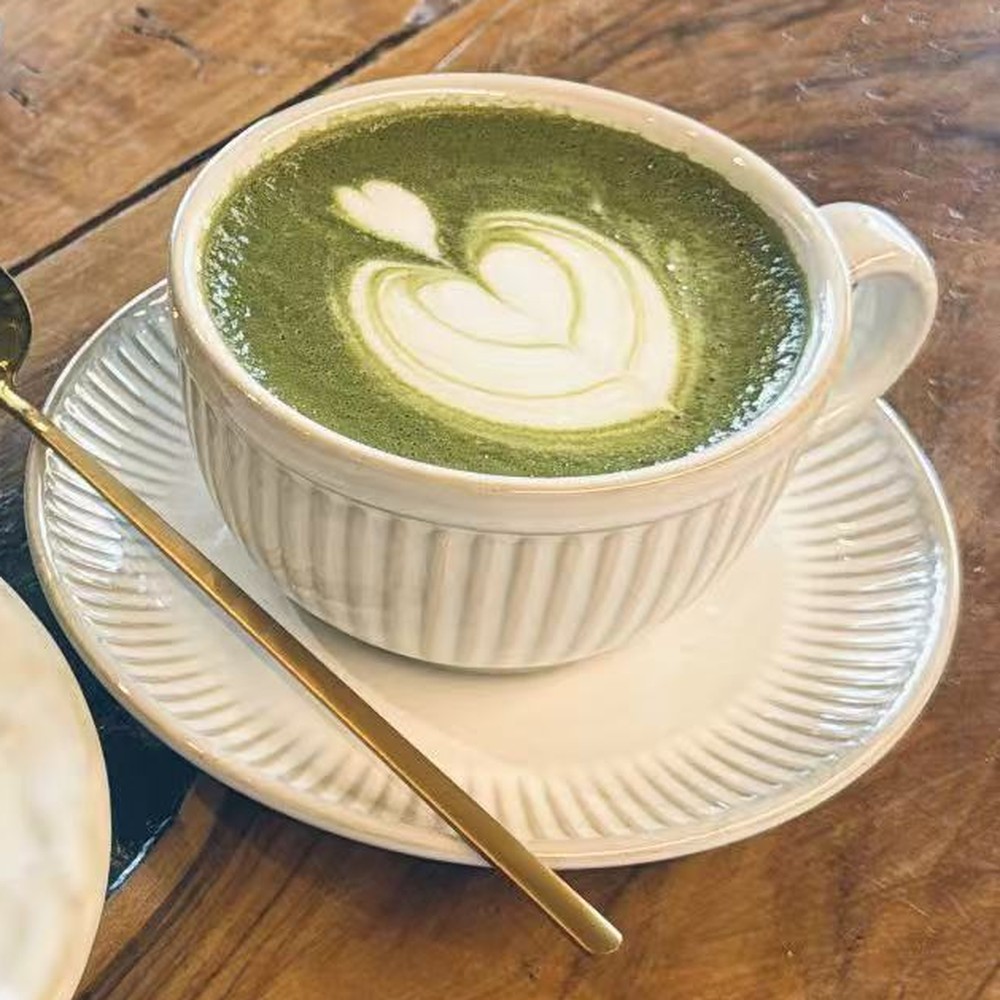
Matcha isn't just any green tea ground into powder. It's made from tencha: the tea plants are covered and kept in the shade for roughly three weeks or more before harvest. Shading raises theanine and chlorophyll and lowers some catechins — hence the deep green colour and a sweeter, less astringent taste. After picking, the leaves are steamed, dried without being rolled, stripped of stems and veins and finally ground very fine — traditionally in a stone mill that produces about 40 grams an hour. And because the powder is whisked into the water, with matcha you drink the whole leaf.
A little history
Whisked powdered tea comes from Song-dynasty China. In Japan, tradition credits the monk Eisai, who returned from China in 1191, with spreading it; in Zen monasteries powdered tea became part of ritual and daily life. The tea ceremony took shape in the 15th and 16th centuries, and the shade-growing that gives today's matcha its vivid green began in Uji, near Kyoto, in the late 1500s.
"Ceremonial": a word to take with care
Many packets say ceremonial grade. It's worth knowing that this isn't an official Japanese grade: it's a term that arose outside Japan, used mostly in marketing. In Japan, matcha is described rather by how it's used — usucha, "thin tea", whisked to a froth, and koicha, "thick tea", with twice the powder and half the water — as well as by harvest, milling method and price. Practical advice: trust the colour, aroma and taste in the cup more than the label.
How we make it
At FYSA every matcha is whisked by hand with a chasen, the traditional bamboo whisk, usually carved from a single piece of bamboo, until it forms a fine froth. No electric frothers. The water shouldn't be boiling: recommendations range from roughly 70 to 90 °C, because with green tea hotter water draws out more caffeine and catechins — and so more bitterness.
Our matcha drinks
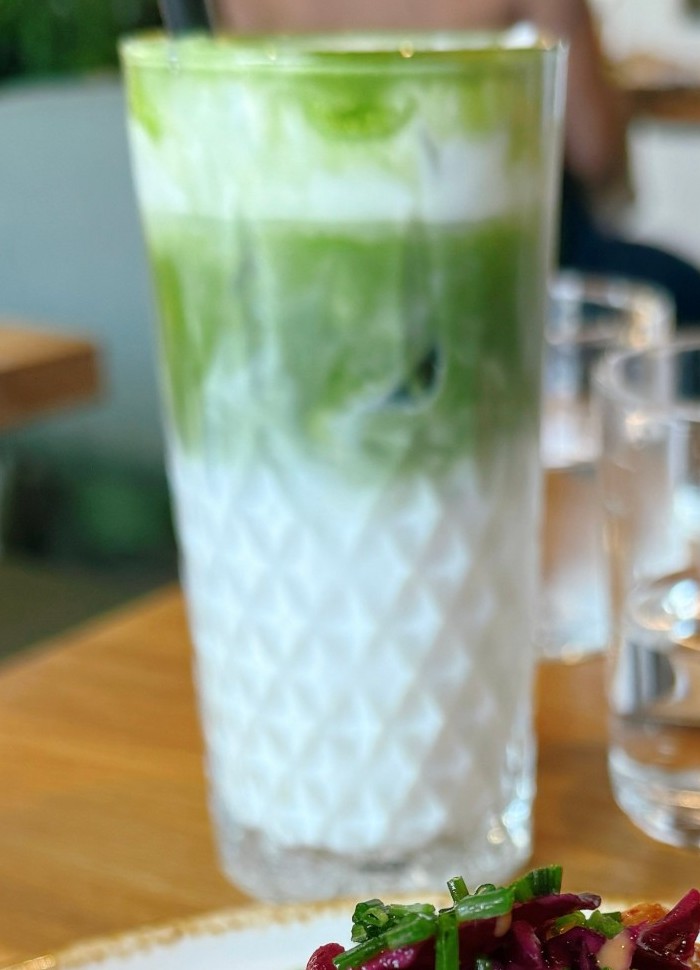
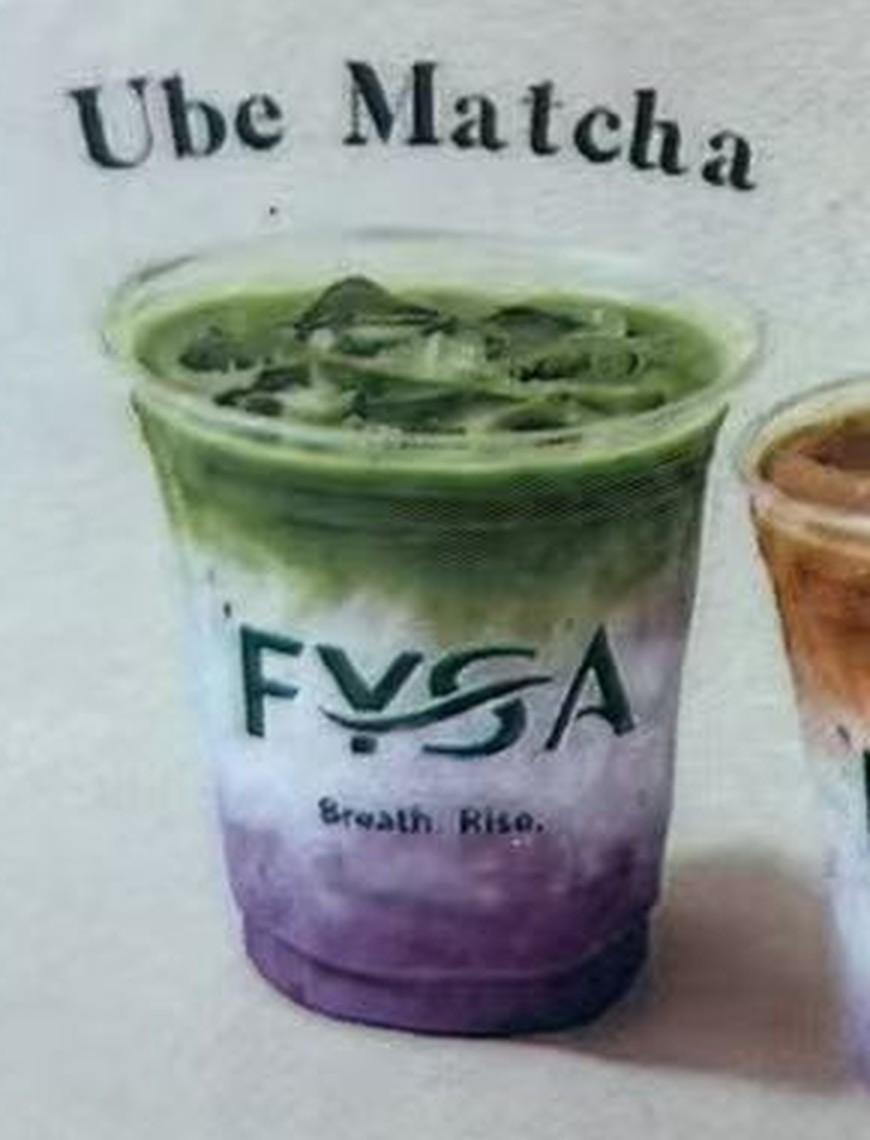
Our matcha menu: the Matcha Latte, hot or iced — the easiest way in —, the Strawberry Matcha, matcha and strawberry, served iced only — one of our most ordered —, the Dirty Matcha, the Cloud Matcha and the Matcha Soda. For drinks made with milk you can also choose oat, soy or almond milk. Then there's our ube line, made with the purple yam from the Philippines: the Ube Matcha is layered, with ube at the bottom, milk and ice in the middle and whisked matcha on top. We've written about ube and the rest of the line in Ube in Rome.
If it's your first time
Start with an iced Matcha Latte: the milk rounds it out, the cold refreshes, and it's the easiest way to find out whether you like the taste. Next time, try it hot, when the aroma comes through more. Remember that matcha contains caffeine, like coffee: if you're sensitive to it, better not to have it late in the day. And if you're hungry, our avocado toast or something from the brunch menu goes well alongside — served all day.
To take away, too
All our matcha drinks can be taken away, in a FYSA cup. Or stay a while: there's free Wi-Fi and a table if you need to work or study.
Where to find us
FYSA is at Piazza di Ponte Lungo 1, Rome — San Giovanni / Appio Latino, on the border with Tuscolano, a 1-minute walk from the "Piazza Ponte Lungo" exit of Metro A. Open every day, 9:00–19:00. Find us on Instagram at @fysa_cafe.